
Cultural perspectives on gambling practices around the world
Introduction to Global Gambling Practices
The world of gambling is as diverse as the cultures that embrace it. From high-stakes poker in the United States to traditional betting in Asian cultures, gambling practices are deeply woven into societal norms and traditions. In many places, gambling serves not only as a means of entertainment but also as a cultural ritual that fosters social interactions and community bonding. This rich tapestry of gambling practices reflects the values, beliefs, and economic conditions of various societies, illustrating how this activity transcends mere luck or chance. For those looking for the best cash out betting sites, understanding these options can enhance their experience.
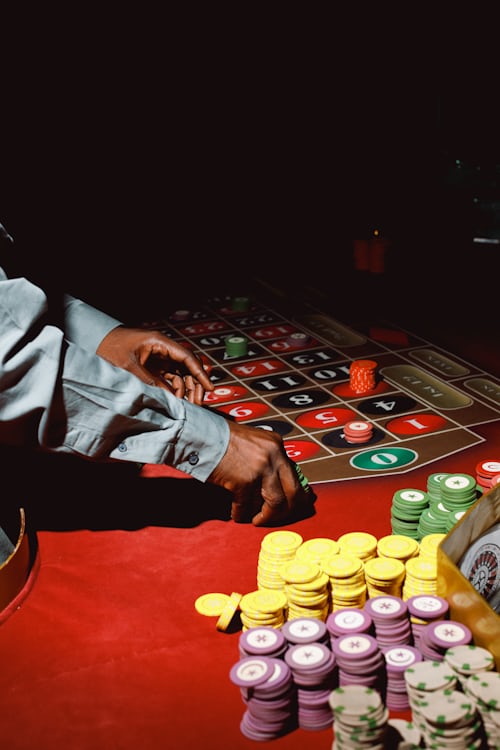
In regions like Las Vegas, gambling is synonymous with tourism and luxury, while in countries like China, it carries historical significance linked to ancestral traditions. Local customs, religious beliefs, and even legal regulations shape the gambling landscape, resulting in unique practices that differ vastly from one culture to another. Understanding these cultural perspectives enhances our appreciation of gambling as a global phenomenon, where each nation has crafted its own narrative around this age-old practice.
As we delve into specific cultural perspectives on gambling, it becomes clear that these practices are often viewed through various lenses, including morality, economic opportunity, and social bonding. This exploration can help beginners navigate the complex world of gambling while respecting the traditions and values of different cultures. It also sheds light on how gambling influences social dynamics, offering insights into how societies negotiate the balance between fun and responsibility.
The Cultural Significance of Gambling in Asia
In many Asian cultures, gambling is not merely seen as a recreational activity but as a significant social practice intertwined with family gatherings and communal celebrations. In countries like China, for example, gambling during the Lunar New Year is a time-honored tradition that symbolizes prosperity and luck. Families come together to engage in games such as Mahjong or betting on card games, reinforcing social ties while celebrating their cultural heritage. Such practices highlight the importance of gambling beyond mere monetary gain, emphasizing community and familial connections.
Moreover, in countries like Japan, gambling takes on unique forms, such as in the legal framework of Pachinko, a mechanical game resembling pinball, that attracts players not just for the thrill but also for social interaction. The government regulates these establishments, showcasing a cultural acceptance of gambling as part of everyday life, albeit under strict guidelines. This acceptance reflects a nuanced understanding of gambling’s place within society, where it serves as both an entertainment source and a potential economic driver.
However, this cultural embrace of gambling is not without its challenges. Many Asian countries grapple with issues of gambling addiction and its social repercussions. Countries like Singapore have implemented policies that allow for controlled gambling environments while prioritizing responsible gaming. This balance illustrates a cultural perspective that values the social fabric while recognizing the potential pitfalls of gambling practices. Thus, Asian gambling culture embodies a duality where enjoyment coexists with caution and responsibility.
The European Perspective on Gambling
In Europe, gambling practices vary dramatically from one nation to another, influenced by historical, social, and economic factors. For instance, in the United Kingdom, gambling has a long-standing tradition, deeply embedded in society. The popularity of betting shops, horse racing, and the National Lottery reflects a cultural acceptance that sees gambling as a social pastime. The regulated nature of these activities ensures player protection and responsible gambling initiatives, demonstrating how a modern approach can coexist with traditional practices.
In contrast, countries like Germany have a more conservative stance on gambling, characterized by stringent regulations and a focus on preventing addiction. The perception of gambling as a potential vice leads to a more cautious approach, with a strong emphasis on responsible gaming practices. This cultural perspective creates a framework where gambling is monitored closely, balancing between entertainment and ethical considerations while promoting healthier gambling habits.
Furthermore, the rise of online gambling has transformed the European landscape, leading to new cultural dynamics. Many countries are adapting to this digital revolution, shaping public attitudes toward gambling in the internet age. The accessibility of online platforms has made gambling a widespread activity, prompting discussions on regulation and consumer protection. Thus, European gambling practices reveal a complex relationship with social attitudes, illustrating how tradition and modernity can influence cultural perspectives on gambling.
African Perspectives on Gambling
African cultures view gambling through a diverse lens, influenced by indigenous traditions, colonial histories, and modern globalization. In many African nations, traditional gambling games like dice or card games have long been part of social gatherings, often accompanied by storytelling and communal celebration. These activities serve to reinforce social bonds and offer a shared experience that strengthens cultural identity. Gambling in this context is not merely a pastime but a vital part of cultural heritage.
In recent years, the formalization of gambling activities has increased, with many countries embracing regulated betting as a means to boost local economies. For example, nations like South Africa have seen a rise in licensed casinos that blend traditional games with modern gambling practices. This evolution has sparked debates on the cultural implications of adopting Western gambling models, raising questions about identity and social values amidst economic opportunities.
However, the growth of gambling in Africa has also led to increased concerns regarding addiction and societal impacts. Various governments are exploring regulatory frameworks that reflect both the rich cultural heritage of gambling and the need for responsible gaming. This dialogue reveals a cultural awareness of gambling’s complexities and the need to navigate them thoughtfully, ensuring that the essence of traditional practices is preserved while adapting to contemporary realities.

Conclusion and Resources
Understanding cultural perspectives on gambling practices around the world enriches our knowledge of this multifaceted activity. Each culture contributes to a unique narrative that reflects its values, traditions, and social dynamics. From Asia to Europe and Africa, gambling serves as a lens through which we can explore societal attitudes toward risk, community, and individual responsibility. As the global landscape of gambling continues to evolve, these perspectives will remain crucial in navigating the balance between enjoyment and caution.
For those interested in delving deeper into gambling practices or considering participation, it is essential to engage with these cultural narratives. Exploring the historical significance, regulatory environments, and social implications can provide a more comprehensive understanding of gambling worldwide. Whether you are a beginner or an enthusiast, appreciating the rich tapestry of global gambling traditions can enhance your experience, ensuring it is both enjoyable and respectful of the diverse cultures that have shaped this enduring activity.
Add a Comment